
Effective August 3, 2026, Mexico requires a specific New World screwworm inspection certificate for pet dogs traveling from the United States.
The certificate used to enter Mexico does not cover the return journey. They are separate requirements.
The short answer: can you take a dog to Rocky Point?
Yes, provided the dog meets Mexico’s entry rules and the United States’ return rules. For a typical drive through Lukeville and Sonoyta, plan for two veterinary appointments.
- Before entering Mexico: Have a USDA-accredited veterinarian inspect the dog and sign Mexico’s required “NWS Inspection Certificate for Pet Dogs Moving (Exporting) from the United States to Mexico.” It must be issued no more than five days before entry.
- Before returning to the United States: Have an authorized veterinarian in Mexico inspect the dog and issue a screwworm-freedom certificate within five days before the return trip.
Book a USDA-accredited veterinarian before departure
Schedule the appointment close enough to departure that the signed certificate will still be within its five-day validity window when you cross into Mexico. Ask specifically for Mexico’s current New World screwworm inspection certificate for pet dogs.
At entry, SENASICA personnel will also check that the dog shows no signs of infectious or contagious disease, is free of external parasites such as ticks and has no fresh or healing wounds. If your dog has a recent incision, skin injury, ticks or signs of illness, speak with the veterinarian before planning the crossing.
Carry the original paperwork and health records
Keep the signed certificate with you, preferably with a digital backup. Do not rely on a phone screenshot as your only copy.
Even when a rabies certificate is not the federal document requested for this particular itinerary, keeping rabies vaccination current and carrying the record is sensible. Arizona licensing rules and many hotels, boarding providers and veterinarians may require it. Bring the microchip number, vaccination record, a recent photograph, owner contact information and prescription details in one folder.
Prepare a clean carrier and limited food
USDA’s Mexico page says the carrier must arrive clean. Dirty bedding, puppy pads, newspaper, sawdust, rags, toys or food inside the carrier can be removed and destroyed during inspection. Only the portion of balanced pet food intended for the day of arrival is permitted under the posted requirements.
Pack food in its original labeled packaging and verify current agricultural restrictions before leaving. Never bring raw meat or unfamiliar animal products across the border without checking the rules.
What happens when you enter Mexico?
At the border, follow the instructions for declaring the dog and contact the Agricultural and Livestock Health Inspection Office, known as OISA, so SENASICA personnel can review the certificate and inspect the animal.
If external parasites are found, the owner can be required to obtain treatment at their own expense. If ticks are found, the dog may be held while specimens are identified. Starting the trip with a healthy, recently examined dog reduces the risk of delay.
The Lukeville–Sonoyta crossing and Highway 8 are the usual route from Arizona. Check the current port hours and road guidance before departure.
Requirements for bringing your dog back to the United States
The return trip has two layers: USDA APHIS rules concerning New World screwworm and CDC rules for all dogs entering or returning to the United States.
A dog returning from Mexico must have a certificate stating that it was inspected for screwworm within five days before return and was found free of screwworm, or was treated and held until free before departure. USDA says an authorized clinical veterinarian in Mexico can issue it. Use the MVRA veterinary directory linked from the official APHIS dog-import page and arrange the appointment before your vacation.
CDC Dog Import Form and basic eligibility
Mexico is not on the CDC’s current list of high-risk countries for dog rabies. Under the CDC rules for dogs arriving from dog-rabies-free or low-risk countries, each dog must meet all of the following:
- Have a completed CDC Dog Import Form receipt
- Appear healthy on arrival
- Be at least six months old
- Have a universally readable microchip
A practical two-way document list
United States to Mexico:
- Mexico’s NWS Inspection Certificate for Pet Dogs, signed by a USDA-accredited veterinarian no more than five days before entry
- Vaccination and medical records
- Microchip number and recent photograph
- Clean carrier, leash, collar and identification tag
- Lodging confirmation showing the property’s pet policy
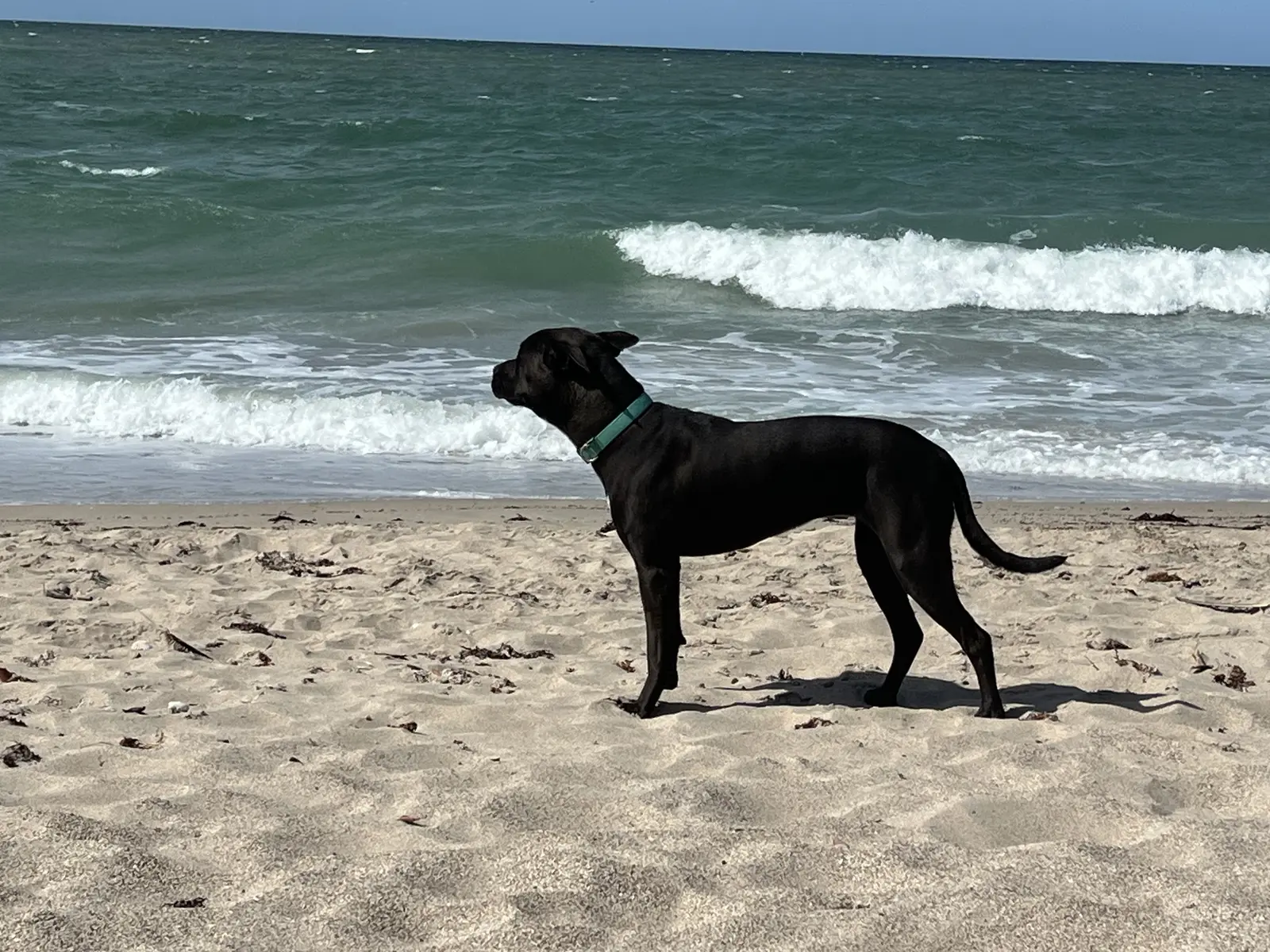

Documents for Mexico to the United States
- Screwworm-freedom certificate issued in Mexico after inspection within five days before return
- CDC Dog Import Form receipt for each dog
- Proof that the dog is at least six months old and its microchip information
- Vaccination and medical records
- Paper copies plus secure digital backups
Choosing pet-friendly lodging in Rocky Point
“Pet-friendly” does not mean every unit in a resort accepts dogs. Condominiums may have building rules while individual owners impose additional restrictions. Before paying, confirm in writing:
- Whether the specific unit accepts dogs
- Size, breed or number limits
- Pet fees or refundable deposits
- Where dogs may walk and relieve themselves
- Whether dogs are permitted on the beach access used by the property
- Rules for elevators, common areas and leaving a pet unattended
Beach, heat and street safety
Puerto Peñasco can be extremely hot, and sand or pavement may burn paws long before it feels unbearable to a person. Plan walks for early morning or evening, provide shade and water, and never leave a dog in a parked vehicle.
Keep the dog leashed unless a clearly posted local rule permits otherwise. Watch for sharp objects, fishing hooks and unfamiliar marine animals. Do not let a dog drink seawater, and rinse salt and sand from its coat and paws after swimming.
Avoid contact with stray dogs and wildlife. Ask your veterinarian about appropriate flea, tick and heartworm prevention. If your dog develops a wound, parasites, vomiting, weakness or unusual behavior, contact a veterinarian promptly.
Before you leave home
Recheck the USDA APHIS pages for both directions, the CDC dog-import page, current CBP port information and your lodging’s pet policy. The five-day certificate windows make timing important. Book the U.S. appointment just before departure and reserve the authorized Mexican appointment before arriving.
Rules can change quickly during an animal-health response. Official government pages—not an older blog post or social-media comment—should be the final authority for your travel date.
Frequently asked questions
Does my dog need a health certificate to enter Mexico in 2026?+
Mexico requires the specific NWS Inspection Certificate for Pet Dogs, signed by a USDA-accredited veterinarian and issued no more than five days before entry.
Does my dog need another certificate to return to the United States?+
Yes. USDA requires a screwworm-freedom certificate based on an inspection within five days before return, plus the CDC Dog Import Form receipt.
Does my dog need a microchip?+
Yes for return to the United States under the CDC’s current low-risk-country rules. It must be readable by a universal scanner.
Can I bring a puppy?+
CDC requires dogs entering or returning to the United States to be at least six months old.
Are the rules the same for cats?+
No. USDA says the August 3 dog certificate change does not apply to pet cats; check the current cat section before travel.